
Google Photos’ latest feature lets you meme yourself
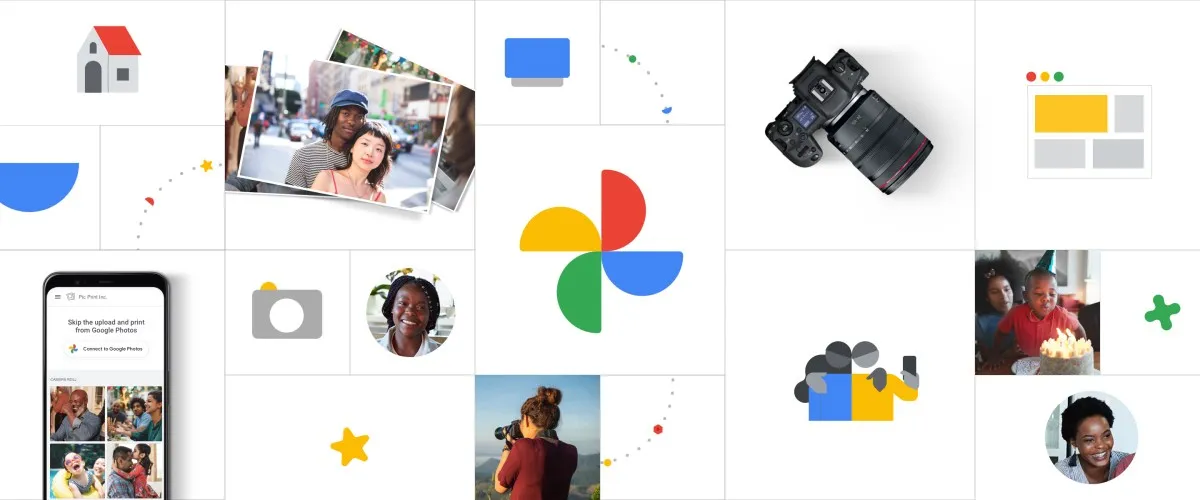
The addition is meant to just be a fun way to explore your photos and experiment with Google's Gemini AI technology, and specifically Nano Banana.
Google Photos will now let you make memes with your own images. On Thursday, Google introduced a new generative AI-powered feature called “Me Meme,” which will allow you to combine a photo template and an image of yourself to generate an image of the meme.
The new feature, which will be first available to U.S.-based users, was originally spotted in development last October by the blog Android Authority. It was formally announced by Google via its Photos Community site on Thursday.
According to Google, the feature is experimental, so generated images “may not perfectly match the original photo.” It suggests uploading well-lit, focused, and front-facing photos to get the best results.
The addition is meant to just be a fun way to explore your photos and experiment with Google’s Gemini AI technology, and specifically Nano Banana. Google’s popular AI image model powers other AI features in the Google Photos app, like the ability to re-create images in new styles, such as cartoons or paintings.
Though a fairly unserious addition, all things considered, these types of features help remind users to return to the Photos app whenever they want to play around with AI tools, rather than going to a competitor’s product.
Plus, users tend to gravitate toward features that show themselves in AI edits, as OpenAI found with its successful launch of the Sora app, which lets you make AI videos that can include yourself and your friends.
“Me Meme” isn’t fully rolled out, so you may not see it in your updated Google Photos app just yet. When available, it will appear under the “Create” tab, Google says. A rep for Google told TechCrunch the feature will reach U.S. iOS and Android users over the “coming weeks.”
To use the feature, you’ll select a template or upload your own, then tap “add photo” and “Generate.” Google notes that more templates are being added over time. After the AI creates the image, you can save the photo, share it on other platforms, or tap “regenerate” to have it re-imagine the image a second time.
More Articles
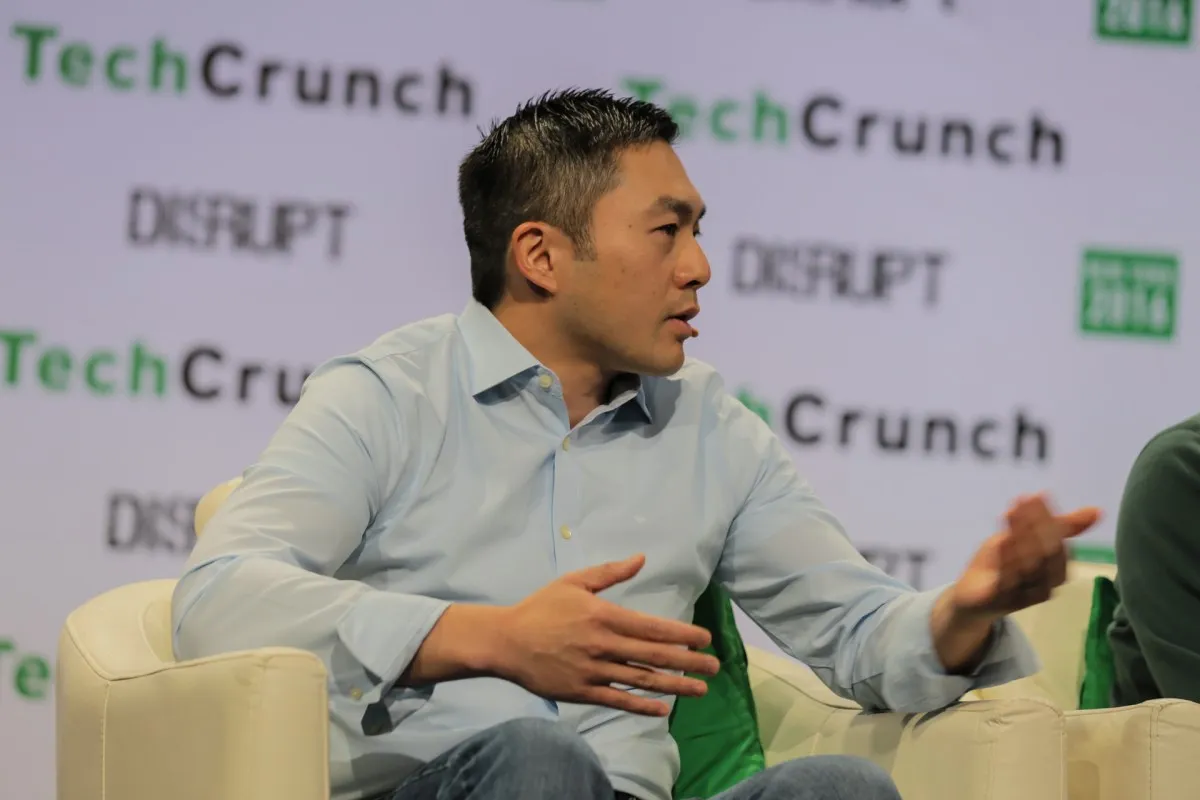
Sequoia to invest in Anthropic, breaking VC taboo on backing rivals: FT
Venture capital firms have historically avoided backing competing companies in the same sector, preferring to place their bets on a single winner. Yet here's Sequoia, already invested in both OpenAI and Elon Musk's xAI, now throwing its weight behind Anthropic, too.
Qwen3-Max Thinking beats Gemini 3 Pro and GPT-5.2 on Humanity's Last Exam (with search)
Qwen3-Max Thinking beats Gemini 3 Pro and GPT-5.2 on Humanity's Last Exam (with search)
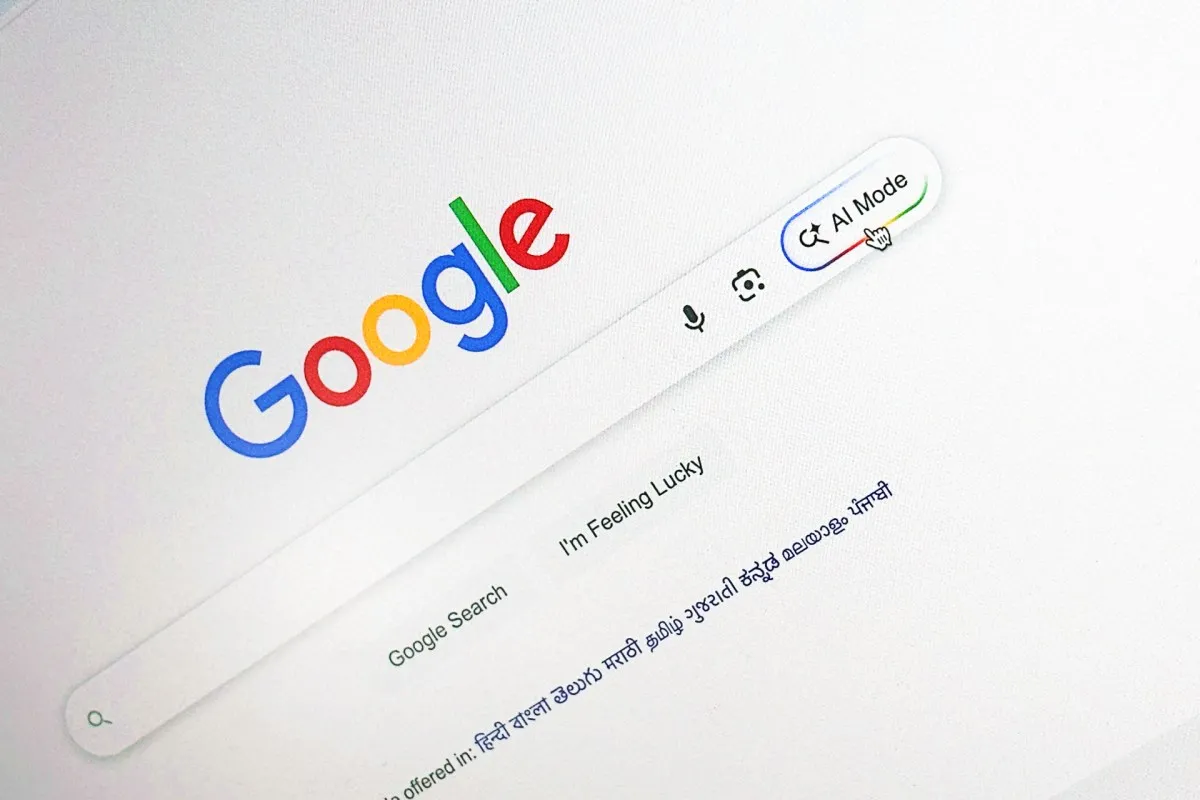
Google announces a new protocol to facilitate commerce using AI agents
Google said that merchants can now offer discounts to users directly in AI mode results.
Meta acquires Manus: what it means for your enterprise AI agent strategy
Meta acquires Manus: what it means for your enterprise AI agent strategy
Black box AI isn’t enough: Why enterprise consulting is moving to grounded models
"Grounded AI is non-negotiable, because accuracy isn’t optional when we’re doing million-dollar transformation projects within the SAP ecosystem."
Simplifying the AI stack: The key to scalable, portable intelligence from cloud to edge
To unlock the next wave of AI innovation, the industry must pivot decisively away from siloed development and toward streamlined, end-to-end platforms.
Late Kim Sae Ron's Last Film Suffers Terrible Fate
The movie Before We Knew, starring the late Kim Sae Ron, quickly fell out of the box office rankings shortly after its release, contrary to early expectations. According to the Korea…
Entertainment Stocks Lose Billions Of Dollars, Concerns About World Tour Disruption Arise
Amid the K-entertainment stock market shaking due to the war between the U.S., Israel, and Iran, the combined market capitalization of the four major entertainment companies has evaporated by more…